
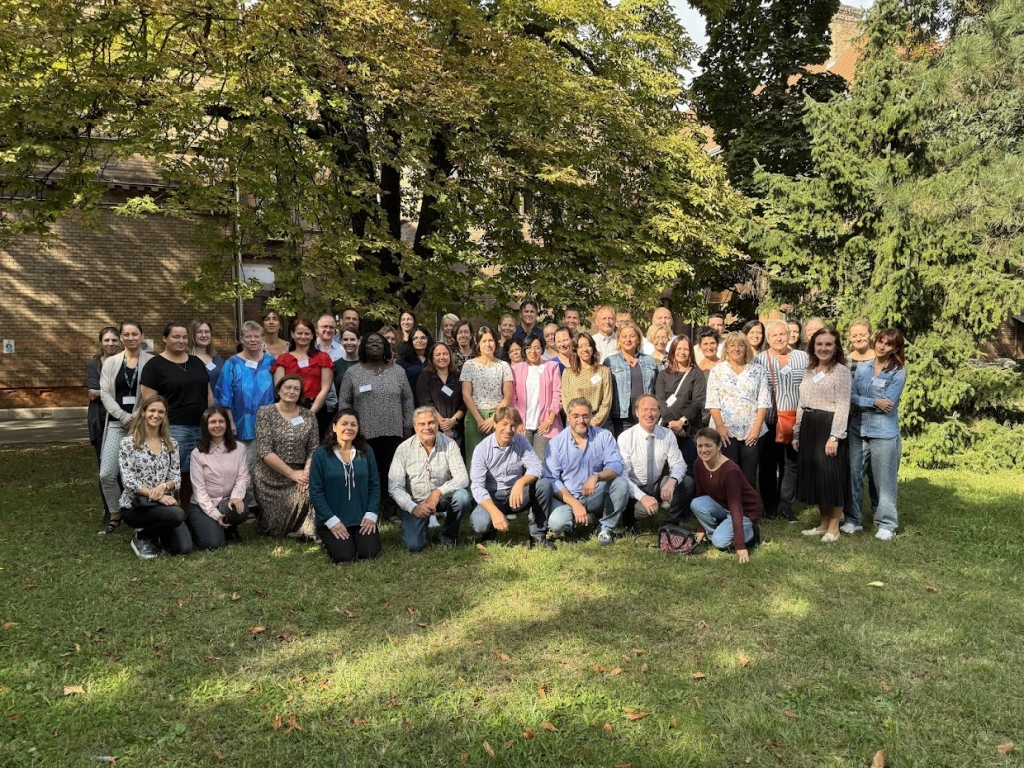
Some key points from the meeting:
- Cases of listeriosis continue to rise in Europe.
- Amendments to the EU microbiological criteria regulation will take effect in the second half of 2026. According to these changes, the criterion of the absence of L. monocytogenes in 25 grams will apply throughout the entire shelf life of ready-to-eat food (1.2). Previously, this applied only until the food left the immediate control of the producer. Alternatively, numerical criteria may be used, but food operators must still prove to the competent authority that the limit of 100 cfu/g will not be exceeded during the shelf life.
- New species of listeria are discovered every year. As of 2024, the Listeria spp. family includes 28 different species of bacteria.
- Sequencing of L. monocytogenes strains and molecular typing have become everyday practices in most laboratories.
- The detection method ISO 11290-1 is under review, with the goal of making it more sensitive.
- From now on, alternative validated methods may be used instead of reference methods when analysing official samples.
- The guidance material on shelf-life determination for food operators and competent authorities is in its final stages and is expected to be sent out for broader feedback next year. Estonia is represented in the working group by Maiu Kuningas from the microbiology department of LABRIS.
- Next year, the proficiency test for national reference laboratories will be a simulation exercise for a foodborne listeriosis outbreak. The challenge will involve detecting the pathogen in coconut milk, determining its quantity, sequencing the pathogen, and finally comparing its genome sequence with the outbreak strain isolated from humans.
More information:
Toomas Kramarenko
Deputy director
tel 738 6136
email [email protected]

