
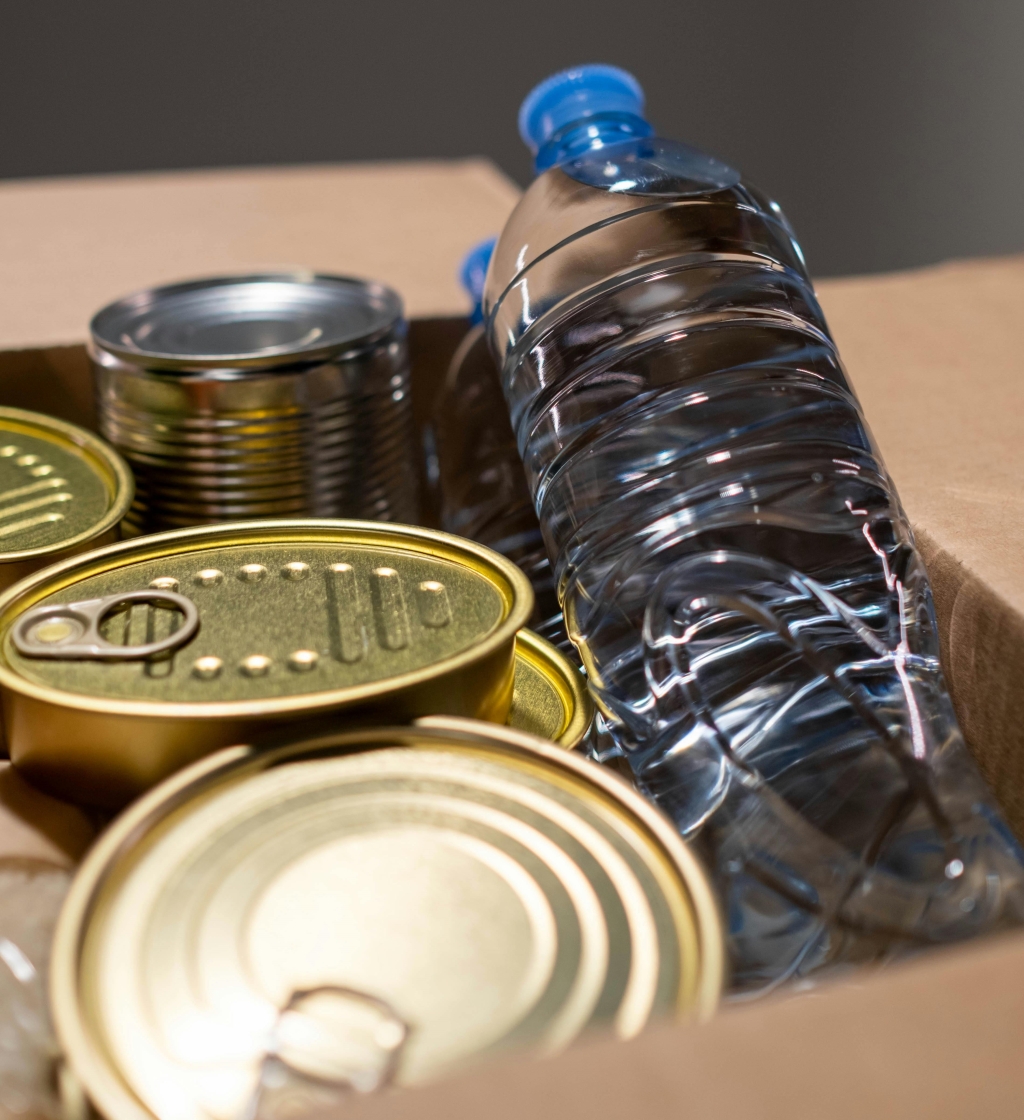
Materials produced with BPA are commonly found in the food industry, such as coatings for cans and metal containers, polycarbonate plastics, adhesives, and printing inks. During use, small amounts of these substances inevitably migrate into food. Extensive safety studies have shown that BPA can pose a potential health risk even at very low levels, leading to its prohibition. BPA is already banned in the EU for infant bottles and similar products.
In some cases, it is not yet possible to immediately replace BPA, so a few exceptions remain. Due to the expected low risk, BPA can still be used in liquid epoxy resins for coating large containers used in the food industry and in polysulfone membrane filters. However, in both cases, no detectable migration of BPA into food is allowed.
Products containing BPA, including packaging, may continue to be manufactured for 18 months, while certain items, such as packaging for fishery products and food industry equipment, have a 3-year transition period. In the food industry, such packaging may be used for one year after the end of the manufacturing period, and packaged food can be sold until stocks are depleted.
Reusable items, such as polycarbonate plastic drinking bottles, can be sold for one year after the manufacturing period ends, and food industry equipment containing BPA may be used until the end of its service life.
Additional information:

