
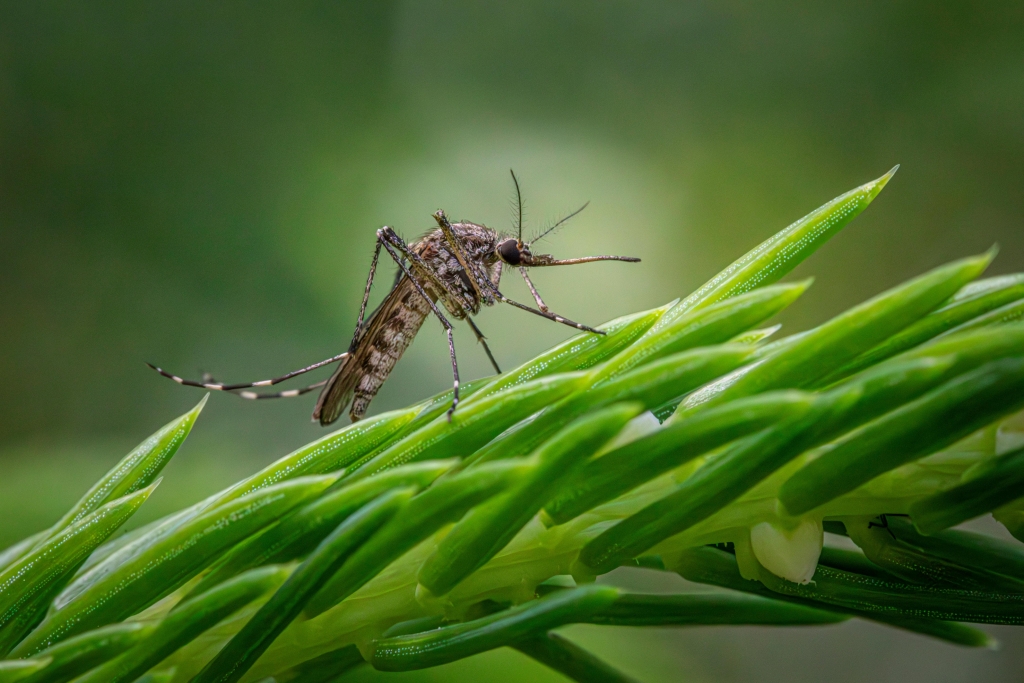
This is the first recorded case of West Nile fever in Estonia and the northernmost finding in Europe so far. The virus is widespread in southern Europe, but because of climate change, the distribution boundaries of the pathogen and its vectors have shifted northward spreading across previously unaffected areas. The closest West Nile fever case was detected in Latvia in October 2024, also in a goshawk that was brought to a clinic at the end of August.
West Nile fever is a mosquito-borne infectious disease, with birds acting as the primary hosts. While it primarily affects birds and horses, the virus can also infect humans and, rarely, other animal species.
Wild birds are most commonly infected, the disease is rare in poultry. Infected birds may exhibit a wide range of symptoms, including general weakness, loss of appetite, and more severe neurological symptoms such as leg paresis, incoordination, and seizures, which can result in death.
The symptoms of West Nile fever in horses can be varied and resemble those of other diseases. Not all horses infected with the virus show signs of illness, and some animals may die without any previous symptoms. Early signs are often generalized, but in more severe cases, neurological signs occur, which can sometimes be fatal.
In humans, West Nile fever typically starts with a rapid onset, usually 3-6 days after infection, with symptoms including moderate to high fever, headache, neck and back pain, fatigue, conjunctivitis, rash, and gastrointestinal issues. The virus does not spread directly from person to person, and there are no indications that humans can become infected by handling a dead bird. However, individuals in close contact with infected birds should be cautious.

OH4Surveillance is co-funded by the European Union (Grant Agreement No 101132473). Views and opinions expressed are those of the author(s) only and do not necessarily reflect those of the European Union or HaDEA. Neither the European Union nor the granting authority can be held responsible for them.
Additional information:
Age Kärssin
Leading specialist of risk assessment department
tel 56 489 526
email [email protected]

